
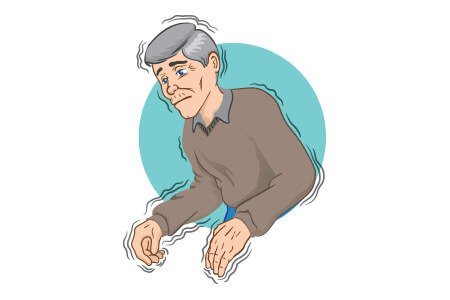
Parkinson’s disease is a neurological disorder that affects movement and can cause tremors, stiffness, and difficulty with coordination and balance. In this article, we will discuss the symptoms, causes, risk factors, and treatment of Parkinson’s disease.
Symptoms:
Parkinson’s disease symptoms can vary from person to person, but common symptoms include:
- Tremors or shaking, often starting in one hand
- Stiffness or rigidity in the limbs or trunk
- Slow movement or bradykinesia
- Difficulty with balance and coordination
- Problems with posture
- Changes in speech or handwriting
- Loss of smell
- Depression and anxiety
- Sleep disturbances
Causes:
Parkinson’s disease is caused by a loss of nerve cells in the brain that produce dopamine, a neurotransmitter that helps to regulate movement. The exact cause of this nerve cell loss is not yet fully understood, but it is believed to be a combination of genetic and environmental factors.
Risk Factors:
Several risk factors can increase the likelihood of developing Parkinson’s disease, including:
- Age: Parkinson’s disease is more common in people over the age of 60.
- Family history: Having a family history of Parkinson’s disease increases the risk of developing the disorder.
- Gender: Men are more likely to develop Parkinson’s disease than women.
- Environmental factors: Exposure to certain toxins, such as pesticides and herbicides, may increase the risk of developing Parkinson’s disease.
Treatment:
There is currently no cure for Parkinson’s disease, but treatment can help to manage symptoms and improve quality of life. Treatment options may include:
- Medications: There are several medications that can help to manage symptoms of Parkinson’s disease, including levodopa, dopamine agonists, and MAO-B inhibitors.
- Deep brain stimulation: Deep brain stimulation involves implanting electrodes in the brain that can help to regulate movement.
- Lifestyle changes: Eating a healthy diet, staying physically active, and engaging in mentally stimulating activities can all help to slow the progression of Parkinson’s disease.
- Support: Support from family, friends, and healthcare professionals can help to improve quality of life and manage symptoms.
conclusion,
Parkinson’s disease is a neurological disorder that affects movement and can cause tremors, stiffness, and difficulty with coordination and balance. By understanding the symptoms, causes, and risk factors of Parkinson’s disease, people can take steps to reduce their risk and manage the disorder if it does occur. Treatment can help to manage symptoms and improve quality of life, but there is currently no cure for Parkinson’s disease.


