
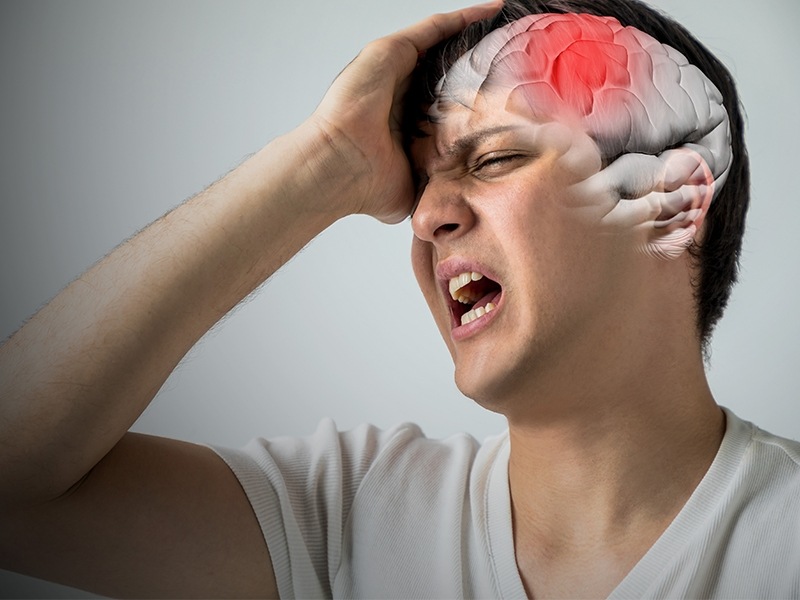
A Brain stroke, also known as a cerebrovascular accident (CVA), occurs when there is a disruption of blood flow to the brain, leading to brain damage or death. Here’s some information about the symptoms, causes, risk factors, diagnosis, and treatment of a brain stroke:
Symptoms:
- Sudden onset of weakness or numbness on one side of the body
- Slurred speech or difficulty speaking
- Blurred vision or loss of vision in one or both eyes
- Sudden severe headache
- Loss of balance or coordination
- Confusion or difficulty understanding
Causes:
- Ischemic stroke: caused by a blood clot that blocks blood flow to the brain
- Hemorrhagic stroke: caused by bleeding in the brain, usually due to a ruptured blood vessel
- Transient ischemic attack (TIA): often referred to as a “mini-stroke,” a TIA is caused by a temporary disruption of blood flow to the brain
Risk factors:
- High blood pressure
- Smoking
- High cholesterol
- Diabetes
- Obesity
- Family history of stroke
- Age
Diagnosis:
- Physical and neurological exams to evaluate symptoms and assess cognitive function
- Imaging tests, such as CT scan or MRI, to determine the location and extent of brain damage
- Blood tests to rule out other possible causes of symptoms
Treatment:
- Treatment for a brain stroke depends on the type of stroke and the underlying cause.
- Ischemic stroke may be treated with medications to dissolve blood clots or prevent further clot formation.
- Hemorrhagic stroke may require surgery to stop the bleeding and repair the damaged blood vessel.
- Rehabilitation therapies, such as physical therapy and speech therapy, may be necessary to help patients recover from the effects of a stroke.
In conclusion,
a brain stroke is a serious medical emergency that requires prompt diagnosis and treatment to prevent brain damage or death. Symptoms of a stroke include sudden weakness or numbness on one side of the body, slurred speech, blurred vision, and confusion. Risk factors for stroke include high blood pressure, smoking, high cholesterol, diabetes, obesity, family history of stroke, and age. If you or someone you know experiences symptoms of a stroke, seek emergency medical attention immediately.


