
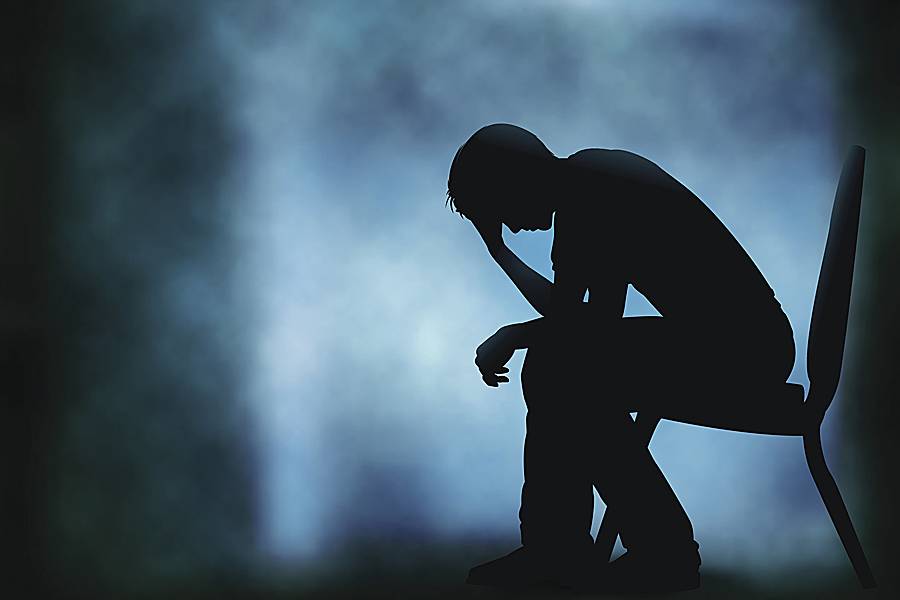
Depression is a common mental health disorder characterized by persistent feelings of sadness, loss of interest or pleasure in activities, and a range of physical and emotional symptoms. Here are some key aspects of depression:
Symptoms of Depression:
Persistent feelings of sadness, emptiness, or hopelessness
Loss of interest or pleasure in activities once enjoyed
Changes in appetite and weight (either increased or decreased)
Insomnia or excessive sleeping
Fatigue or loss of energy
Feelings of worthlessness or guilt
Difficulty concentrating, making decisions, or remembering
Restlessness or slowed movements
Recurrent thoughts of death or suicide
Causes and Risk Factors:
Biological factors: Imbalances in brain chemicals (neurotransmitters) such as serotonin, norepinephrine, and dopamine may contribute to depression. Hormonal changes, genetic factors, and certain medical conditions can also play a role.
Environmental factors: Chronic stress, trauma, abuse, loss of a loved one, financial difficulties, or major life changes can trigger or contribute to depression.
Personal factors: Individuals with a family history of depression, personal history of mental health disorders, or a history of substance abuse are at a higher risk.
Treatment for Depression:
Psychotherapy:
Cognitive-behavioral therapy (CBT): Helps individuals identify and change negative thought patterns and behaviors.
Interpersonal therapy (IPT): Focuses on improving interpersonal relationships and resolving conflicts.
Psychodynamic therapy: Explores unconscious processes and unresolved conflicts.
Medications:
Antidepressant medications: Selective serotonin reuptake inhibitors (SSRIs), serotonin-norepinephrine reuptake inhibitors (SNRIs), and other classes of antidepressants may be prescribed.
Other Treatment Approaches:
Electroconvulsive therapy (ECT): In severe cases or when other treatments are ineffective, ECT may be recommended.
Transcranial magnetic stimulation (TMS): Involves using magnetic fields to stimulate specific areas of the brain.
Lifestyle changes: Regular exercise, a balanced diet, sufficient sleep, stress reduction techniques, and avoiding alcohol or drug abuse can help manage depression.
Support System:
Building a support network of family, friends, or support groups can provide emotional support and understanding.
It is crucial to consult with a mental health professional to receive an accurate diagnosis and develop an individualized treatment plan. They can provide guidance, and support, and monitor progress throughout the treatment process.


