
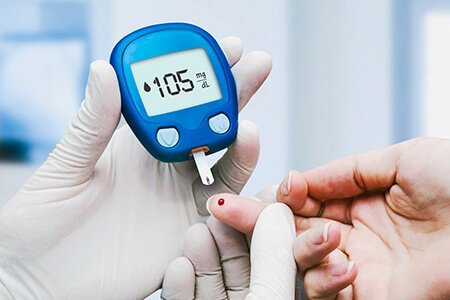
Diabetes mellitus is a chronic medical condition characterized by high blood sugar levels (hyperglycemia) caused by the body’s inability to produce or effectively use insulin. Insulin is a hormone produced by the pancreas that helps regulate blood sugar levels. There are three main types of diabetes: type 1 diabetes, type 2 diabetes, and gestational diabetes.
- Type 1 Diabetes:
- Symptoms: Usually develops in childhood or adolescence. Common symptoms include increased thirst, frequent urination, extreme hunger, unexplained weight loss, fatigue, blurred vision, and slow healing of wounds.
- Causes: The exact cause is unknown, but it is believed to result from an autoimmune reaction where the body’s immune system mistakenly attacks and destroys the insulin-producing cells in the pancreas.
- Risk Factors: Family history of type 1 diabetes, genetic predisposition, and certain environmental factors may contribute to the risk.
- Type 2 Diabetes:
- Symptoms: Often develops gradually, some people may not initially experience noticeable symptoms. Common symptoms include increased thirst, frequent urination, increased hunger, fatigue, blurred vision, slow healing of wounds, and frequent infections.
- Causes: Type 2 diabetes occurs when the body becomes resistant to the effects of insulin or doesn’t produce enough insulin to maintain normal blood sugar levels. Obesity, sedentary lifestyle, genetics, and older age are common risk factors.
- Risk Factors: Obesity, physical inactivity, unhealthy diet, family history of type 2 diabetes, high blood pressure, and certain ethnic backgrounds (such as African, Hispanic, or Asian) increase the risk.
- Gestational Diabetes:
- Symptoms: Often does not cause noticeable symptoms, but some women may experience increased thirst, frequent urination, fatigue, and blurred vision.
- Causes: During pregnancy, hormonal changes can lead to insulin resistance, resulting in high blood sugar levels. After childbirth, gestational diabetes usually resolves.
- Risk Factors: Family history of gestational diabetes, overweight or obesity, previous history of gestational diabetes, and certain ethnic backgrounds increase the risk.
Diabetes treatment involves:
- Lifestyle Modifications:
- Healthy diet: Focus on balanced meals with controlled carbohydrate intake.
- Regular exercise: Engage in physical activity to help maintain a healthy weight and improve insulin sensitivity.
- Weight management: Achieve and maintain a healthy body weight.
- Blood sugar monitoring: Regularly check blood sugar levels to ensure they are within the target range.
- Medications:
- Type 1 diabetes: Insulin therapy is essential, delivered through injections or an insulin pump.
- Type 2 diabetes: Oral medications, injectable medications (including insulin), or a combination of both may be prescribed depending on the individual’s needs.
- Blood Sugar Monitoring:
- Regularly monitor blood sugar levels to assess the effectiveness of treatment and make any necessary adjustments.
- Complications Management:
- Diabetes can increase the risk of complications, such as heart disease, kidney disease, eye problems, and nerve damage. Managing blood pressure, and cholesterol levels, and regular screenings are essential.
It’s essential to consult with a healthcare professional for an accurate diagnosis, personalized treatment plan, and ongoing management of diabetes.


