
Diabetes mellitus, commonly referred to as diabetes, is a chronic disease that affects millions of people worldwide.
Types of diabetes:
Type 1 and Type 2.
WHAT ARE THE SYMPTOMS OF TYPE 1 and TYPE 2 DIABETES?
If left untreated for a prolonged duration, patients may perceive the following signs and symptoms taking place in biodiesel body:
- Fatigue
- Irritation and Mood Swings
- Weight Loss
- Numbness and Tingling sensation in hand or feet
- Going for urine frequently
- Always feeling thirsty
- Always feeling hungry
- Having cuts or sores that don’t heal
- Blurry Vision
Type 1 diabetes,
also known as insulin-dependent diabetes, is a condition in which the body’s immune system attacks and destroys the insulin-producing cells in the pancreas. This results in a lack of insulin, a hormone that regulates blood sugar levels, leading to high blood sugar levels and a variety of complications.
Type 1 diabetes typically occurs in children but young adults, but it can develop at any age. The exact cause of Type 1 diabetes is not yet fully understood, but it is believed to be the result of a combination of genetic and environmental factors.
Diabetes is a chronic condition that requires daily management to maintain healthy blood sugar levels. Treatment for Type 1 diabetes usually involves insulin injections, a balanced diet, regular exercise, and monitoring blood sugar levels.
Insulin injections are the most common form of treatment for Type 1 diabetes. Insulin regulates blood sugar levels by allowing glucose to enter the body cells body’s cells to be used for energy. Without enough insulin, glucose accumulates in the blood, leading to high blood sugar levels. Insulin injections are admin, syringe a needle and syringe, insulin pen, or insulin pump.
A balanced diet is also essential for people with Type 1 diabetes. A diet that is high in fiber, whole grains, fruits, and vegetables and low in processed foods and sugar can help to regulate blood sugar levels. Regular exercise is also essential for managing Type 1 diabetes. Exercise can help to lower blood sugar levels, improve insulin sensitivity, and reduce the risk of developing complications.
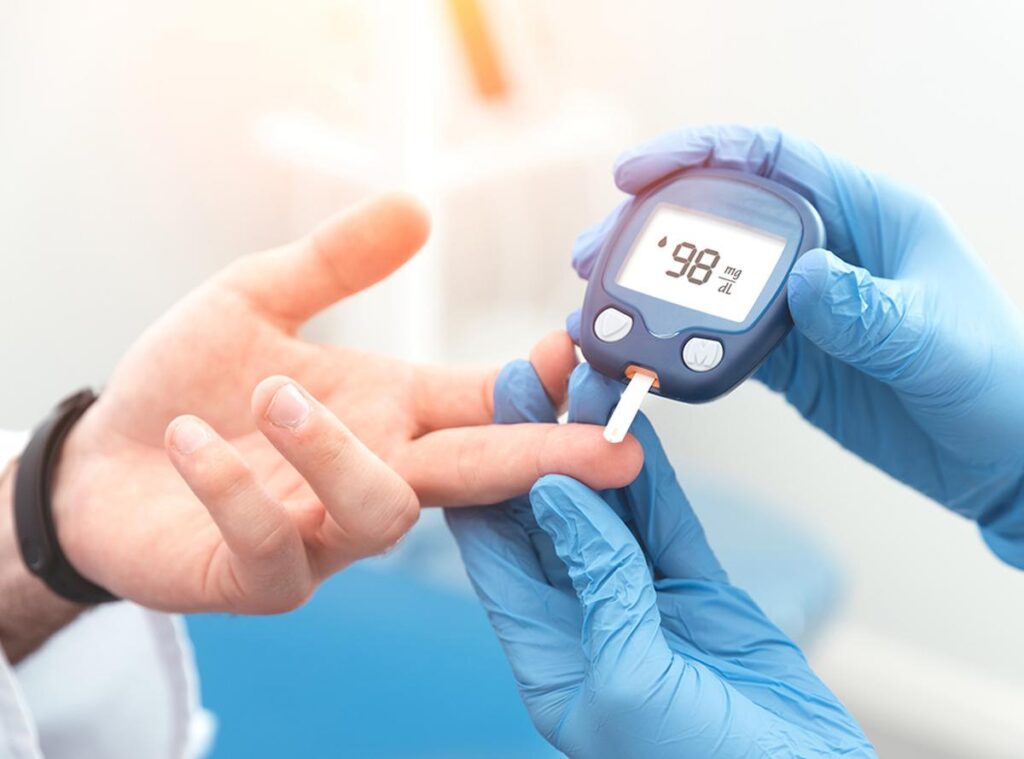
Monitoring blood sugar levels is crucial for people with Type 1 diabetes. Blood sugar levels can be monitored using a blood glucose meter, which measures the amount of glucose in a drop of blood. Monitoring blood sugar levels regularly can help people with Type 1 diabetes to adjust their insulin dose, diet, and exercise routine to maintain healthy blood sugar levels.
conclusion,
Type 1 diabetes is a chronic condition that affects millions of people worldwide. Treatment for Type 1 diabetes typically involves insulin injections, a balanced diet, regular exercise, and monitoring blood sugar levels. Although Type 1 diabetes cannot be cured, it can be managed with proper treatment and lifestyle changes, allowing people with Type 1 diabetes to live long, healthy lives.


