
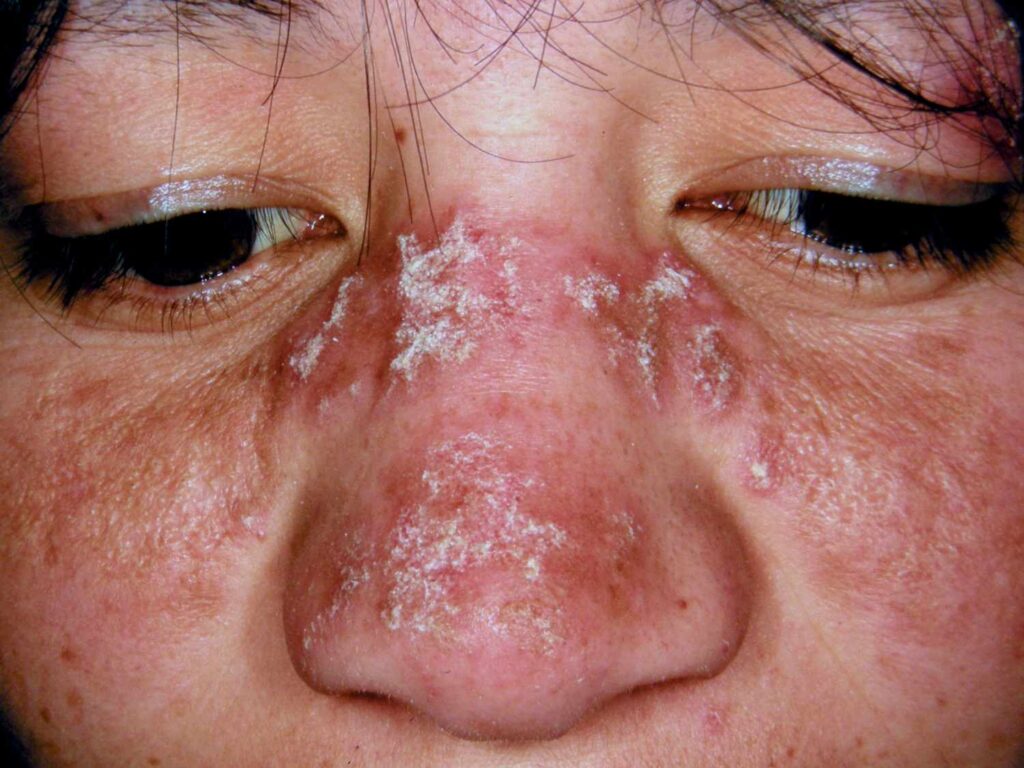
Lupus, or systemic lupus erythematosus (SLE), is a chronic autoimmune disease in which the immune system mistakenly attacks healthy tissues and organs. It can affect various parts of the body, including the skin, joints, kidneys, heart, lungs, brain, and blood cells. Here’s an overview of lupus symptoms, causes, risk factors, and treatment options:
Symptoms of Lupus:
Fatigue and weakness
Joint pain, stiffness, and swelling
Skin rashes, such as the butterfly rash (malar rash) across the cheeks and nose
Sensitivity to sunlight (photosensitivity)
Chest pain and shortness of breath
Fever
Headaches, confusion, and memory loss
Hair loss
Raynaud’s phenomenon (fingers and toes turning white or blue in response to cold or stress)
Mouth ulcers
Kidney problems
Abnormal blood clotting
Increased susceptibility to infections
Causes and Risk Factors:
Genetic factors: Certain genes are associated with an increased risk of developing lupus, although it’s not entirely understood how genetics contribute to the disease.
Environmental factors: Exposure to sunlight, certain medications (such as hydralazine and procainamide), infections (such as Epstein-Barr virus), and hormonal factors (such as estrogen) may trigger or worsen lupus in susceptible individuals.
Gender: Lupus is more common in females, suggesting hormonal factors may play a role.
Race and ethnicity: Lupus is more prevalent in individuals of African, Asian, Hispanic, and Native American descent.
Treatment for Lupus:
Medications:
Nonsteroidal anti-inflammatory drugs (NSAIDs): Help relieve joint pain, stiffness, and inflammation.
Corticosteroids: Used to reduce inflammation during flare-ups or more severe symptoms.
Antimalarial drugs: Hydroxychloroquine may be prescribed to help control lupus symptoms.
Immunosuppressants: Medications such as methotrexate, azathioprine, or mycophenolate mofetil may be used to suppress the immune system and reduce disease activity.
Biologic therapies: Rituximab and belimumab are examples of biologic drugs that may be prescribed in specific cases.
Topical medications: Creams, ointments, or gels can help manage skin rashes and lesions.
Lifestyle Modifications:
Sun protection: Avoiding direct sunlight, use sunscreen, and wear protective clothing and accessories.
Healthy lifestyle: Eating a balanced diet, regular exercise, managing stress, and getting sufficient rest and sleep.
Regular check-ups: Ongoing monitoring and management by healthcare professionals are crucial.
Supportive Care:
Physical therapy: Can help manage joint pain, and stiffness, and improve mobility.
Counseling or support groups: Provide emotional support and coping strategies.
Treatment plans for lupus are highly individualized and depend on the specific symptoms and organ involvement. It’s important to work closely with healthcare professionals, such as rheumatologists, to develop a comprehensive treatment approach and receive regular monitoring.


