
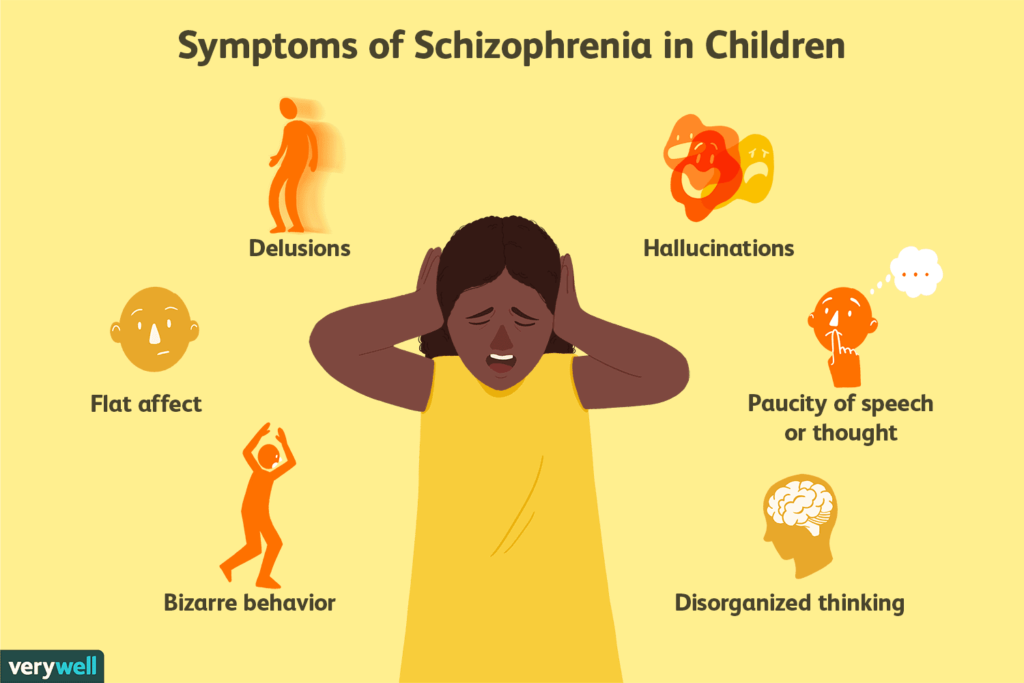
Schizophrenia in children is relatively rare but can occur. It presents unique challenges in terms of diagnosis and treatment. Here is some information on the symptoms, causes, treatment, and prevention of schizophrenia in children:
Symptoms: Schizophrenia symptoms in children are similar to those seen in adults but may have some differences, including:
- Delusions: False beliefs that are not based on reality.
- Hallucinations: Sensing things that are not real, such as hearing voices.
- Disorganized speech and behavior: Difficulty organizing thoughts, speaking coherently, or engaging in appropriate behaviors.
- Social withdrawal: Lack of interest in social interactions, isolation from peers, and difficulty making friends.
- The decline in school performance: Struggles with academic tasks, concentration, and memory.
Causes: The causes of schizophrenia in children are not yet fully understood, but they are believed to involve a combination of genetic, environmental, and neurodevelopmental factors. Potential contributing factors include:
- Genetics: Having a family history of schizophrenia increases the risk.
- Brain development: Abnormalities in brain structure or functioning during early development may play a role.
- Environmental factors: Prenatal complications, maternal infections, and exposure to stress or trauma during childhood may contribute.
Treatment: Treating schizophrenia in children involves a comprehensive approach that typically combines medication and psychosocial interventions. The treatment strategies include:
- Medications: Antipsychotic medications may be prescribed to manage symptoms, but they are carefully selected and monitored due to potential side effects in children.
- Therapy: Various forms of treatment, such as cognitive-behavioral therapy (CBT), family therapy, and social skills training, can help children cope with symptoms, improve communication, and enhance social functioning.
- Education and support: It is crucial to provide educational support to children with schizophrenia, including accommodations at school, individualized education plans (IEPs), and assistance with social integration.
Prevention: Preventing schizophrenia in children is challenging, but some general strategies can promote overall mental health and well-being:
- Early intervention: Early identification and treatment of early warning signs can improve outcomes and help manage symptoms more effectively.
- Supportive environment: Providing a nurturing and supportive environment for children, with open communication and emotional support, can help reduce stress and promote resilience.
- Psychoeducation: Educating parents, teachers, and caregivers about the early signs of schizophrenia and the importance of timely intervention can lead to early identification and appropriate support.
It is essential to consult with mental health professionals who specialize in child psychiatry if you suspect schizophrenia or any other mental health concerns in a child. They can provide a thorough evaluation, and diagnosis, and develop an individualized treatment plan.


